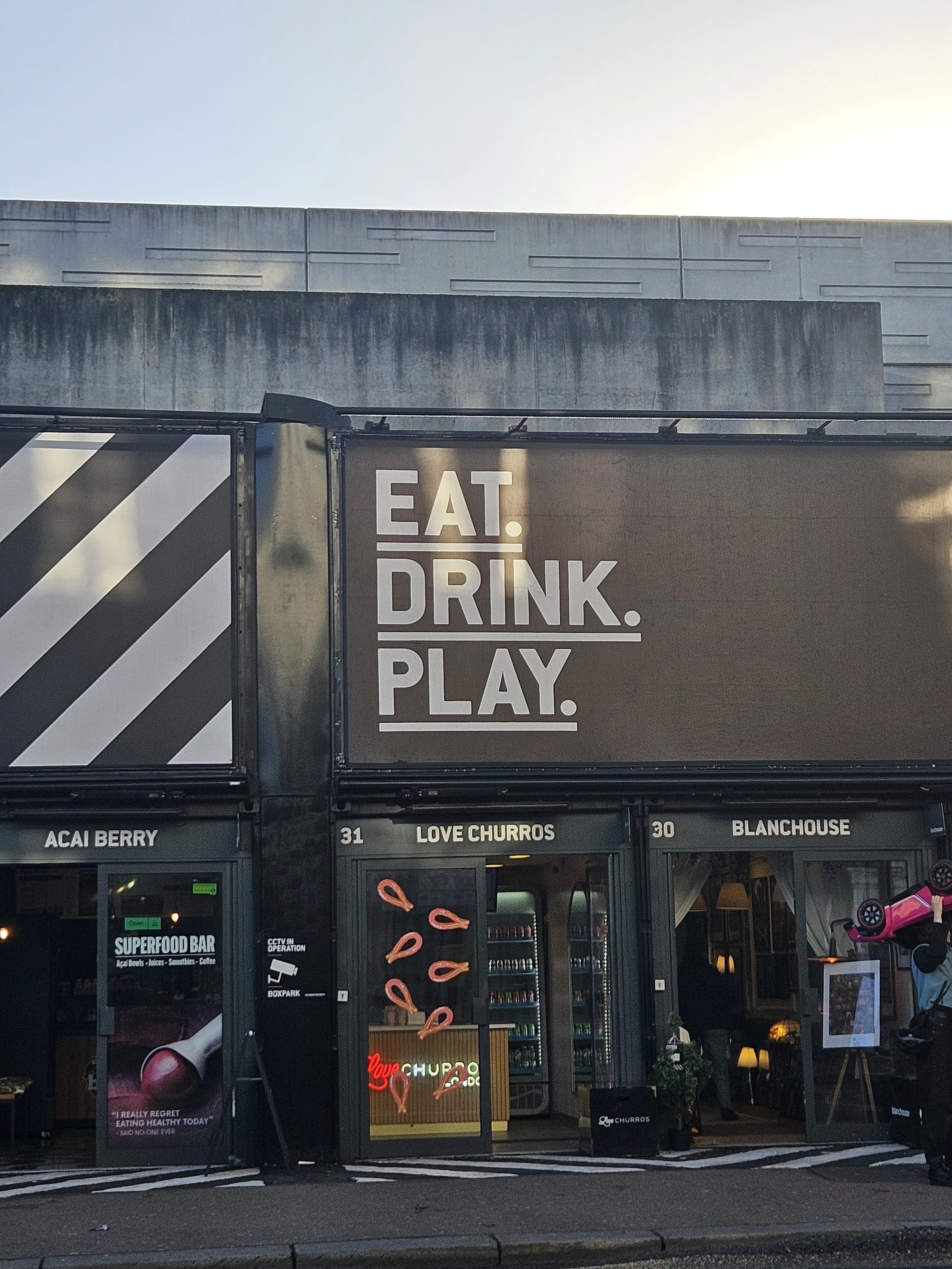
What comes first, creativity or clarity?
If you’re a B2B brand, chances are creativity isn’t high on your boss’s copywriting wish list. You’re told to keep things clear, precise and accurate. Your readers are sitting at their desks, looking to solve a problem effectively and affordably, and it’s your copy’s job to cut the shortest path to that outcome. For you, the battle between creativity and clarity is already won, whether you like it or not.
But let’s think about brands where creativity is a core aspect of your personality. Maybe you’re an artist, a fashion brand, a makeup brand. Maybe you make furniture or hair products. Perhaps you’re a graphic designer or an ad agency. Or maybe you’re a disrupter in your category and you show that with a bold, creative tone of voice. If you have creativity or something in that family in your tone of voice guidelines (even if they’re unofficial guidelines that exist in your mind), there’s probably going to come a time when you have to choose between creativity and clarity.
Picture this: someone comes up with a killer line for your new campaign. It’s everything your brand is about. You’re ready to put it on every email, social post, bus stop banner and piece of packaging. But wait, does it make sense for all those contexts? If your customers already know your brand and what you do, fantastic. But what if they’re meeting you for the first time? They don’t know whether you make oat milk or oat-coloured cardigans. And your wonderful line isn’t going to help them work it out.
Or, imagine you’re tasked with writing the headline for your website refresh. You come up with something inspiring, pithy and aspirational. It encompasses everything your brand is about. But does it actually say what you do? Because nothing is going to send people running back to Google quicker than a vague heading that doesn’t tell people they’re knocking on the right door. It’s lovely to say that you inspire growth and change minds, but if you don’t tell people you’re an education platform for young people, how will they know what you’re on about?
There are places, like your terms and conditions, instructions, ingredients, where you absolutely need clarity above creativity. Equally, there are places where you can let yourself run riot and have a bit of fun. Even if you are a B2B brand with a serious job to do. Tags inside your garments, parts of your packaging, moments on your website. I’ve included some of my favourites below.
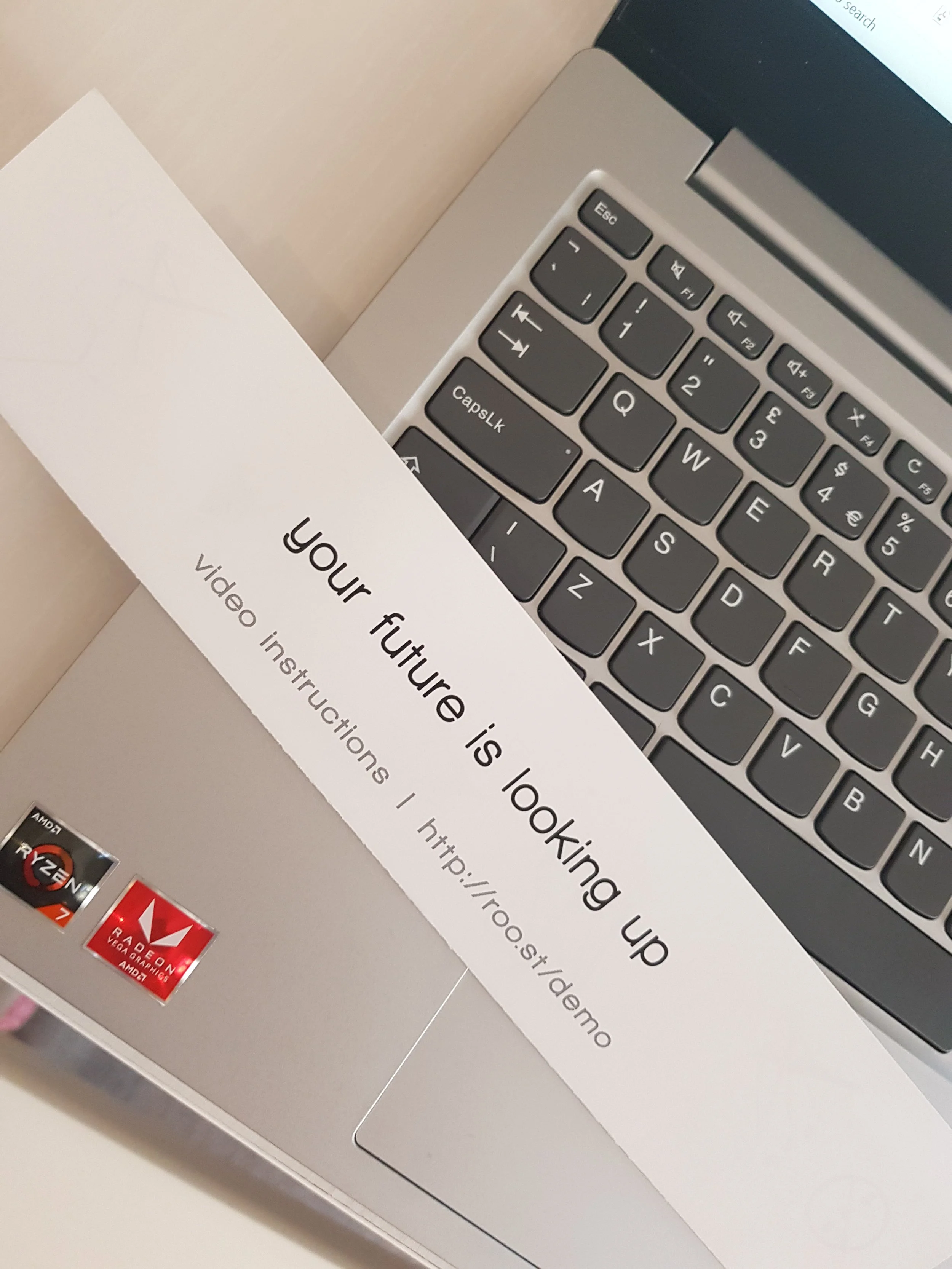

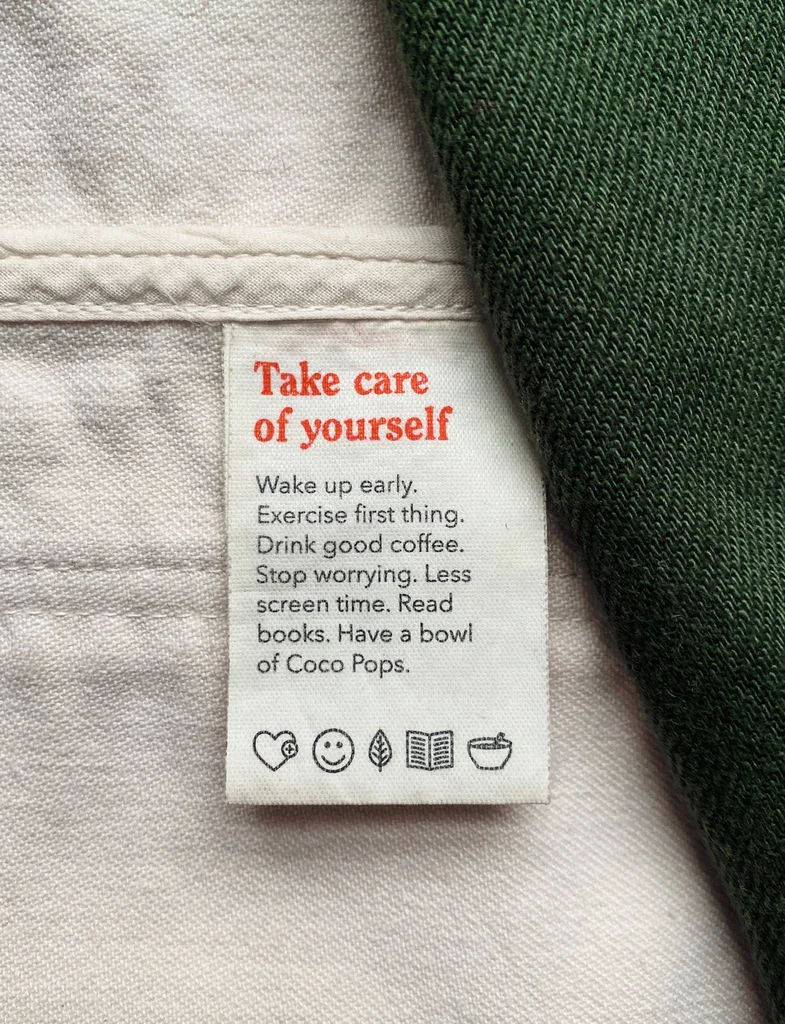
The key thing to remember is not to let your personality get in the way of your purpose. Yes, you’re creative. But it’s all utterly pointless if nobody has any idea what you’re wanging on about. It’s about imagining the customer experience – you want to respect their attention and time by showing them what they need to know before you show them a good time. This will always depend on the context of the copy and its place in the reader’s journey with your brand.
My advice is to consider context first. Then take a layered approach. Clarity comes first, then infuse with creativity. Or intrigue them with creativity and then draw them in with the clarity. You see, in the end, they aren’t really enemies so much as besties.
If you’d like to chat more about writing for your business, I’d love to hear from you.